What is the worst recipe that you have ever seen or tried?


So, guys, brace yourselves as I share the absolute culinary disaster I once encountered - the infamous 'Peanut Butter and Pickle Sandwich'. Yes, you heard right, some genius thought it would be a great idea to combine these two wildly different flavors. The clash of vinegary pickles and creamy peanut butter was a taste apocalypse in my mouth! It was like a bad food experiment gone horribly wrong. But hey, for all you adventurous foodies out there, don't let my hilariously terrible experience stop you! Maybe you'll find this odd combo a gastronomic revelation, who knows?
What are some Indian recipes that are easy to cook?
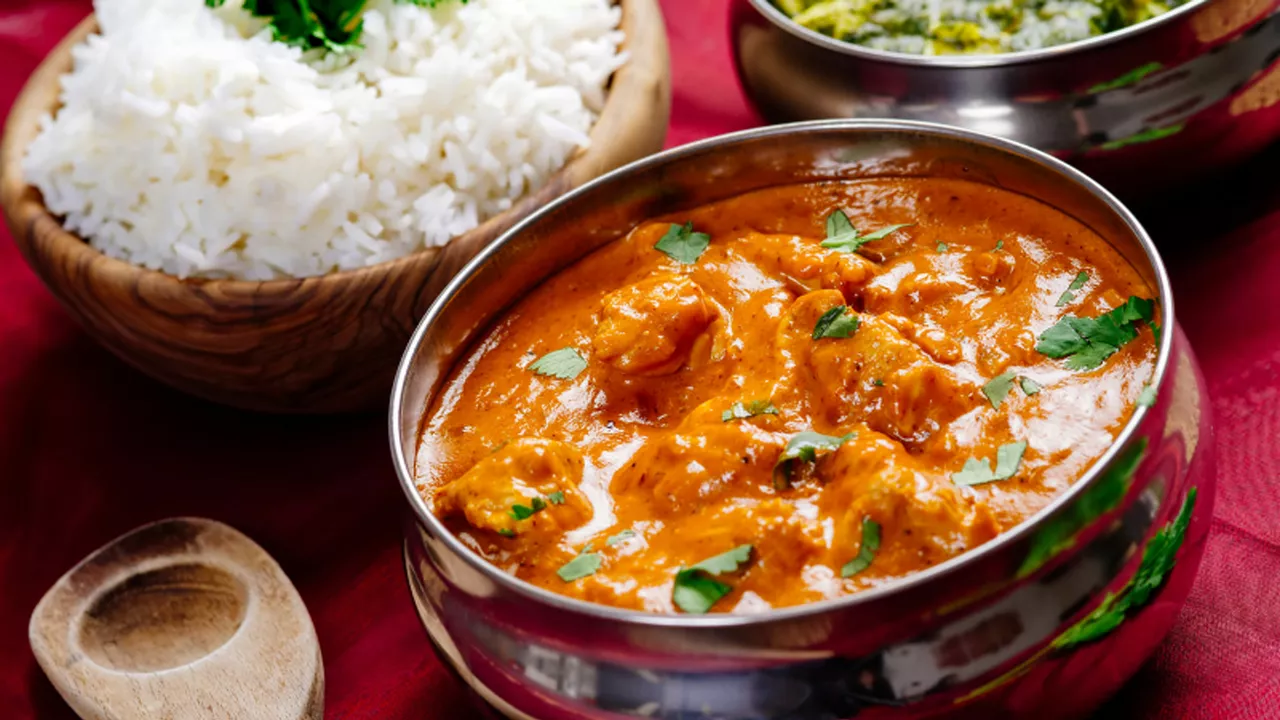
In my latest blog post, I've explored a variety of Indian recipes that are not only packed with flavor, but also easy to cook at home. We delve into a range of dishes from savoury Dal Tadka, a lentil soup, to sweet Gulab Jamun for dessert. I've also included simple yet delicious recipes for Chole Bhature, a spicy chickpea curry, and Jeera Rice, a fragrant cumin rice. Each recipe comes with step-by-step instructions to ensure you can recreate these Indian classics in your own kitchen. Trying these recipes is a great way to introduce yourself to the rich and diverse Indian cuisine.
How nutritious are rotisserie chicken compared to fried chicken?
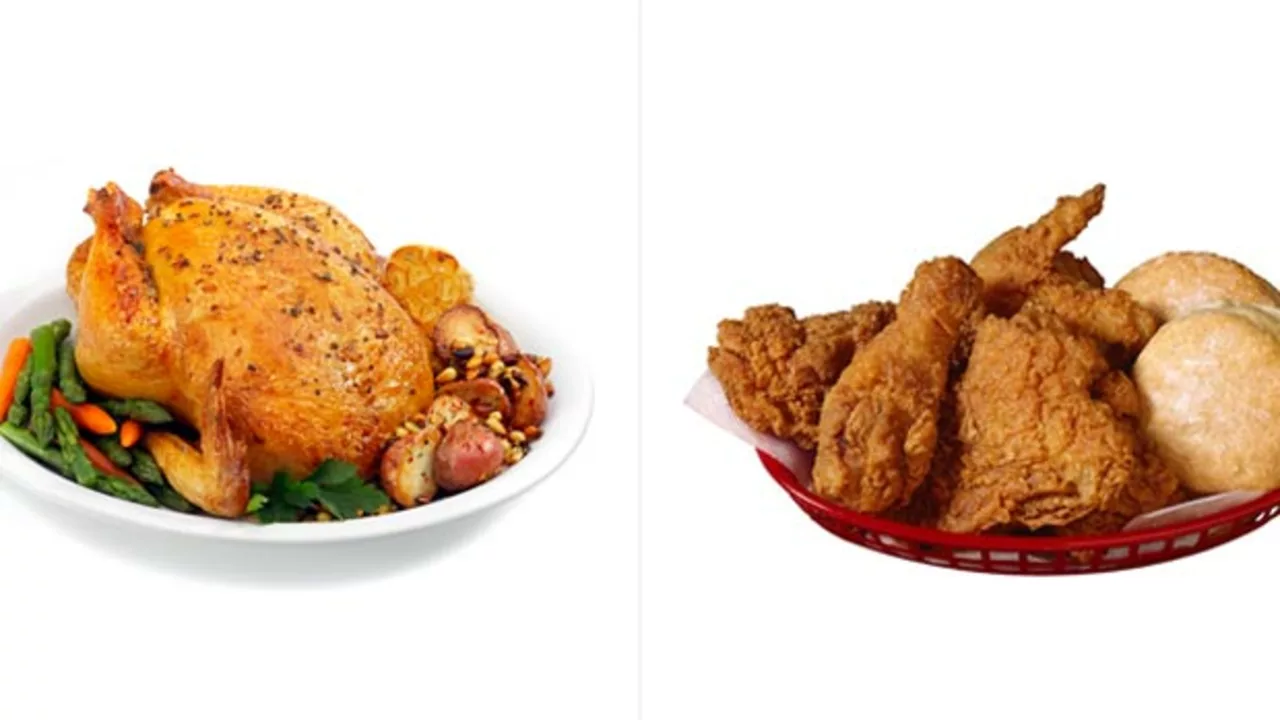
In my exploration of the nutritional values of rotisserie chicken versus fried chicken, I've found that rotisserie chicken typically holds a nutritional advantage. It's generally lower in fat and calories than fried chicken, mainly because frying introduces extra oil and batter into the mix. Furthermore, rotisserie chicken also retains more of its original vitamins and minerals as it's cooked at a slower pace and lower temperature. However, it's important to note that both can be part of a balanced diet when consumed in moderation. As always, it's about making conscious choices based on your individual health needs.
How do you make lamb for Thanksgiving?
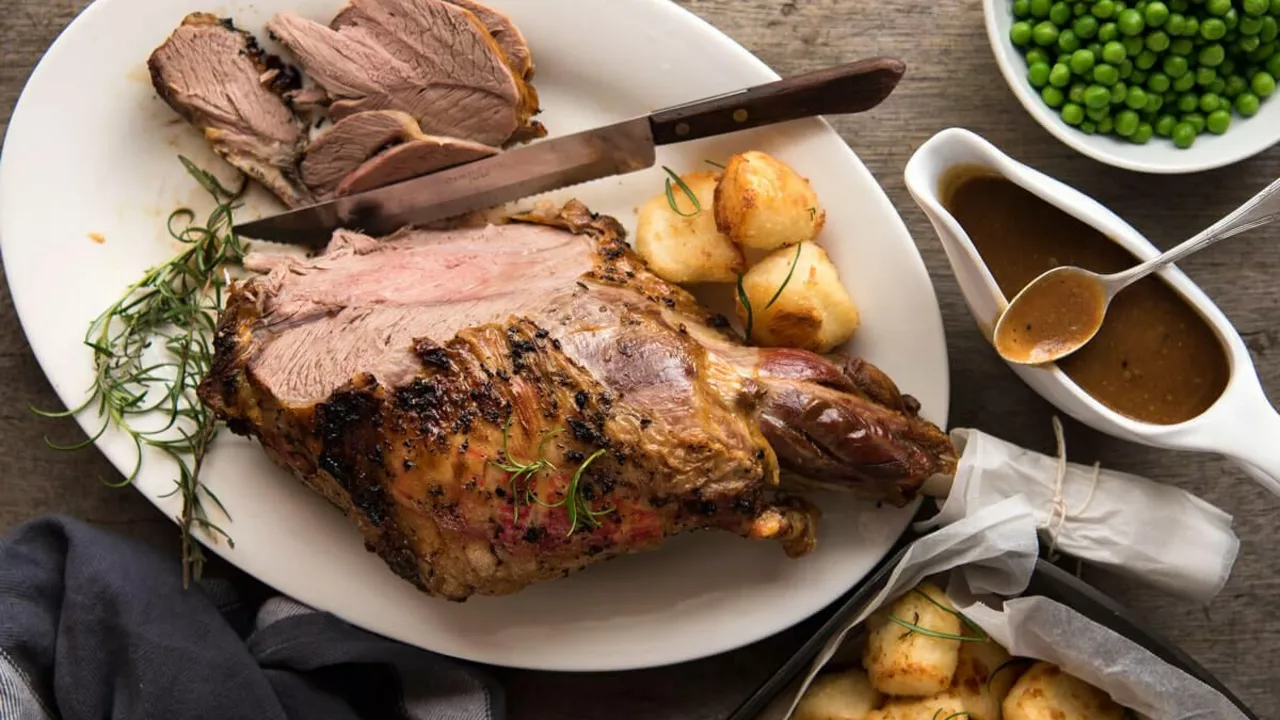
Making lamb for Thanksgiving is a delicious alternative to the usual turkey. You start by choosing a high-quality cut, such as a leg or shoulder. Marinate the meat overnight with herbs, garlic, and olive oil for the best flavor. The next day, roast it slowly for several hours until it's tender and flavorful. Don't forget to let it rest before carving to ensure the juices are well-distributed.
What are some good, flavourful vegetarian dishes and recipes?
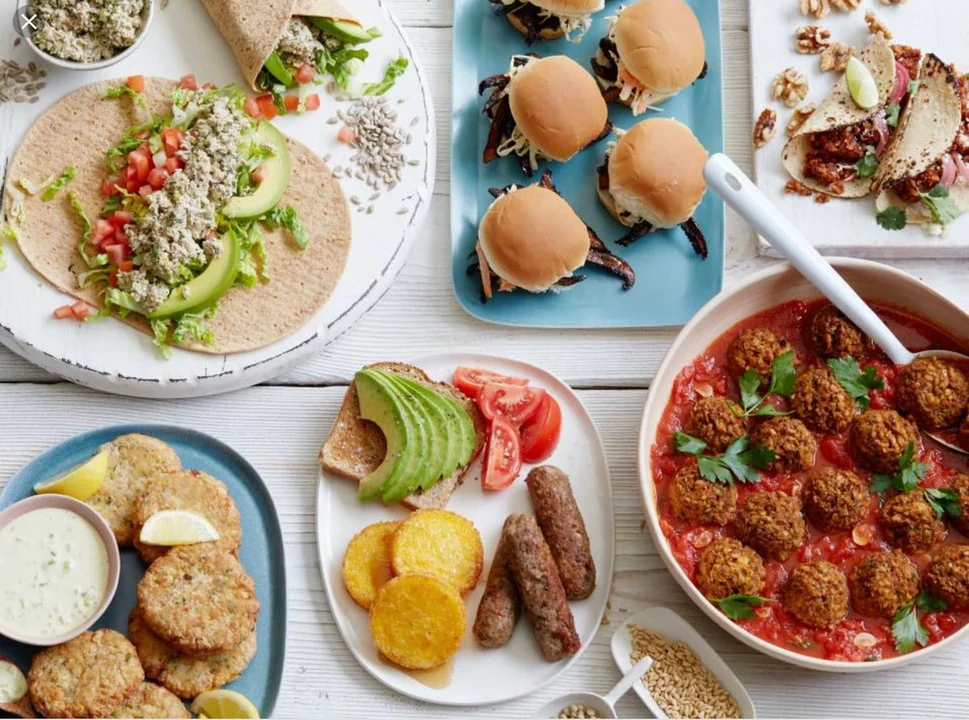
As a vegetarian food lover, I've discovered a plethora of delicious and flavorful dishes that I can't wait to share with you all! One of my favorites is a hearty eggplant Parmesan, layered with rich tomato sauce and gooey cheese. Another must-try is a zesty Thai-inspired red curry, packed with fresh vegetables and fragrant spices. For a lighter option, a colorful and tangy Mediterranean quinoa salad never disappoints. Lastly, don't forget to indulge in a creamy, dreamy mushroom stroganoff that's sure to satisfy your comfort food cravings!
What's the best website for southern food recipes?

This article looks at the best websites for finding southern food recipes. It examines sites such as Allrecipes.com, Southern Living, and SouthernFood.com, which all offer a wide variety of recipes. The article also looks at the websites' search capabilities, user-friendly navigation, and the availability of reviews and ratings for each recipe. It concludes that Allrecipes.com is the best website for finding southern food recipes, due to its comprehensive selection, ease of use, and helpful user feedback.
How much ham should I serve per person?
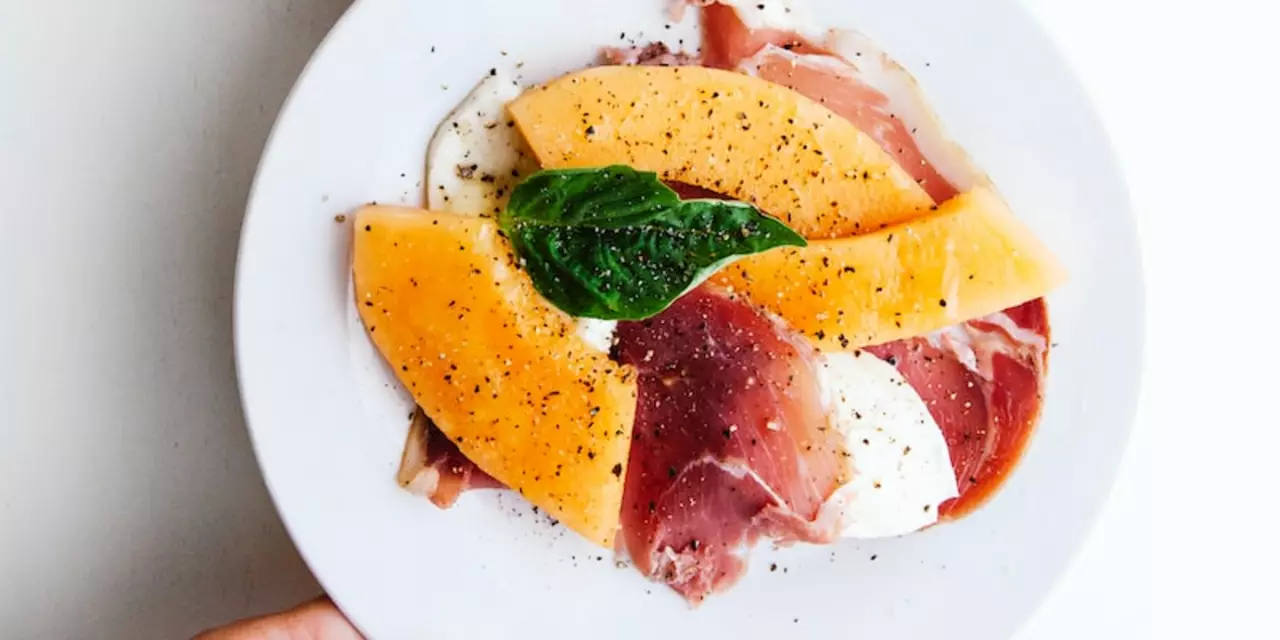
When planning a meal, it is important to know how much food to serve per person. This article provides advice on how to calculate the right amount of ham for a meal. It recommends 1/4 pound of ham per person for a main course, 1/8 pound for a side dish, or 2 ounces for a sandwich. It also suggests considering the type of ham being served, as some are already sliced, while others are uncut. Finally, it suggests adjusting the amount of ham served to match the number of other dishes being served. With these simple tips, anyone can plan a meal with the right amount of ham.
How to make ground turkey taste like steak or hamburger meat?

Ground turkey can be transformed into a steak-like or hamburger-like meat by adding an assortment of spices and herbs, as well as choosing the right cooking methods. Seasoning the ground turkey with spices like garlic, onion, and oregano will give it an extra kick of flavor, while marinating it in a flavorful sauce or stock can add an even deeper flavor. After seasoning, it is important to cook the turkey on low heat to allow the flavors to really saturate the meat, and then cook it on high heat for a few minutes to create a seared texture. Keywords: Ground Turkey, Spices, Herbs, Cooking, Flavor